Texas Heat and Your Kidneys: What Every Patient Should Know
If you are living with chronic kidney disease (CKD) — a long-term condition in which the kidneys gradually lose their ability to filter waste and balance fluid — caring for someone who is, or managing risk factors like diabetes or high blood pressure here in North Texas, summer asks something extra of your kidney health.
Roughly 1 in 7 American adults — an estimated 37 million people — are living with CKD, according to the Centers for Disease Control and Prevention (CDC), and most do not yet know it. What many patients are never told is this: research links higher temperatures to a measurable rise in hospital admissions for acute kidney injury and kidney stones. In Fort Worth, where triple-digit afternoons and weeks-long heat waves are a normal part of the calendar, that connection is not abstract.
The good news is that the steps that protect your kidneys through a Texas summer are mostly simple, practical, and within your control. This guide explains what the heat actually does to your kidneys, who is most at risk, and how to build a hot-weather plan with your care team.
Quick answer — How does Texas summer heat affect your kidneys?
Hot weather increases fluid loss through sweat. When you lose more fluid than you replace, blood flow to the kidneys drops and they filter less effectively — raising the risk of dehydration, kidney stones, and acute kidney injury (a sudden drop in kidney function). People with CKD, dialysis, or a transplant are especially vulnerable and should plan hydration with their care team.
Medically reviewed by Dr Michael Babigumira, MD, Fort Worth Renal Group — Last reviewed July 1, 2026.
Why Texas Heat Is Uniquely Hard on Your Kidneys
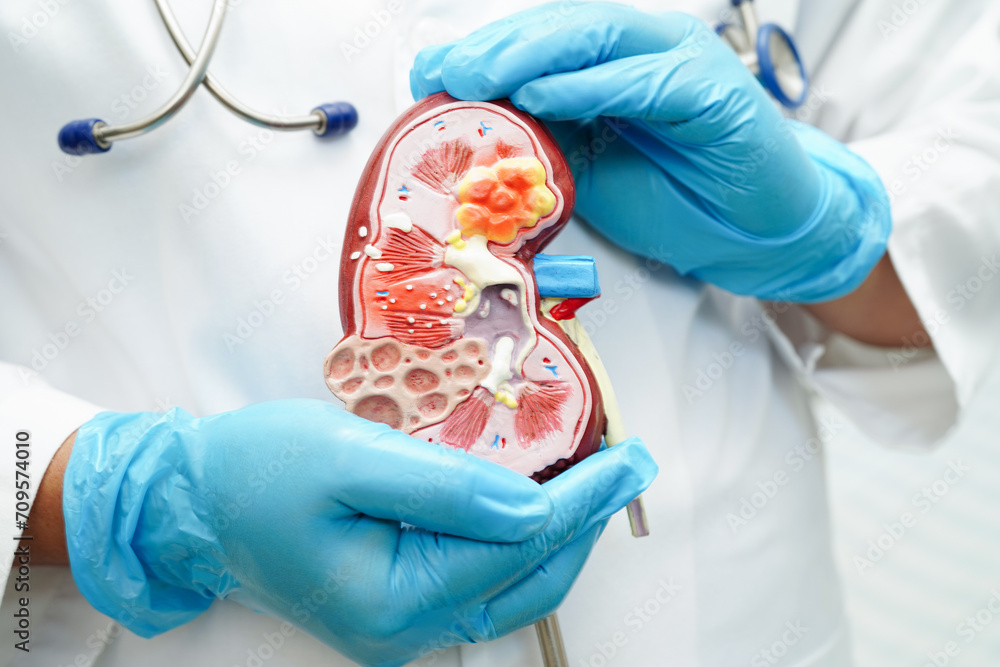
Your kidneys are two fist-sized organs that process your entire blood supply many times each day. They do this through about a million tiny filtering units called nephrons, and that filtering depends on steady blood flow and steady fluid levels. Heat disrupts both.
When the temperature climbs, your body sweats to cool itself. Sweat is fluid leaving your body, and on a 100-degree Fort Worth afternoon you can lose it faster than you realize — often without feeling especially thirsty. As fluid levels fall, your blood volume drops, and your body protectively redirects blood away from the kidneys to defend your heart and brain. With less blood reaching them, the kidneys filter less. Doctors measure that filtering capacity as the glomerular filtration rate (GFR) — essentially, how much blood your kidneys clean per minute. A temporary dip is one thing; repeated or prolonged drops are where the risk lives.
This is not just theory. A large analysis of CKD patients published in The Lancet Planetary Health found that higher ambient heat was associated with a faster decline in kidney function (eGFR) among people who already had kidney disease. Separately, hot weather is consistently linked to more emergency visits for acute kidney injury and for kidney stones (the clinical term is nephrolithiasis). Heat does not only stress healthy kidneys — it accelerates problems for kidneys that are already working harder than they should.
Who Is Most at Risk When the Temperature Rises?
Heat is hard on everyone, but certain North Texans face meaningfully higher kidney risk during the summer. You may need a more deliberate hot-weather plan if you are:
- Living with chronic kidney disease (CKD). Kidneys with reduced function have less reserve to handle the added strain of fluid loss.
- On dialysis. Many dialysis patients follow fluid limits, which makes balancing hydration in extreme heat more complex — not simply a matter of drinking more.
- A kidney transplant recipient. A transplanted kidney is precious and sensitive to dehydration, and some anti-rejection medications affect how your body handles fluid.
- Managing diabetes or high blood pressure. These are the two leading causes of kidney disease, and both can be harder to control when you are dehydrated.
- Age 65 or older. The sense of thirst naturally weakens with age, so older adults often under-drink without noticing.
- Working or exercising outdoors. Construction, landscaping, roofing, agriculture, oil-and-gas field work, and outdoor sports all combine heat, exertion, and sweat loss.
The Overlooked Factor: How Everyday Medications Change the Equation
Here is a connection that rarely makes it into a summer-safety conversation: several common medications can amplify the effect of heat on your kidneys. This is not a reason to stop anything — it is a reason to ask about a hot-weather plan.
Some medications increase fluid loss or change how your kidneys handle blood flow during dehydration. Among the categories your care team may want to review before peak summer are:
- Diuretics (“water pills”), which increase urine output and can compound fluid loss in the heat.
- ACE inhibitors and ARBs (common blood-pressure and kidney-protective medications), which affect blood flow within the kidney.
- NSAIDs (over-the-counter pain relievers like ibuprofen and naproxen), which can reduce kidney blood flow — a particular concern when you are already dehydrated.
- SGLT2 inhibitors (a class of diabetes and kidney-protective medications), which can mildly increase fluid loss, though they are also among the most important medications for protecting kidney function long-term.
Worth raising with your nephrologist: Some patients benefit from a personalized “sick-day” or “hot-day” plan — guidance on whether to temporarily adjust certain medications during heat waves, vomiting, or diarrhea, when dehydration risk spikes. Never pause or change a prescription on your own; this is a conversation to have with your care team so the plan fits your specific kidneys and medications.
A second, broader pattern deserves mention because it is especially relevant to Texas: among outdoor laborers exposed to intense heat day after day, researchers have documented a form of chronic kidney disease that is largely not explained by the usual causes like diabetes or high blood pressure. It is thought to develop from repeated bouts of mild, often unnoticed kidney injury during hot, physically demanding work. For anyone whose job means long hours in the Texas sun, consistent hydration and shaded rest breaks are not just comfort measures — they are kidney protection.
Warning Signs Your Body Needs Attention
Dehydration and early kidney stress can be easy to dismiss as “just the heat.” Learn to recognize the signals.
Mild dehydration often shows up as:
- Dark yellow urine, or urinating less often than usual
- Increased thirst, dry mouth, or dry lips
- Fatigue, dizziness, or lightheadedness, especially when standing
- Headache or difficulty concentrating
- Muscle cramps
Seek medical care promptly if you notice signs that may point to more serious kidney stress or heat illness:
- Little or no urine over many hours
- Confusion, fainting, or a rapid heartbeat
- Severe or persistent nausea and vomiting that keeps you from drinking fluids
- Swelling in the legs, ankles, or around the eyes
- Severe, cramping pain in your side or back (a possible kidney stone)
If you have CKD, dialysis, or a transplant, do not wait to see if symptoms pass. Call your care team early — what looks like ordinary summer fatigue can move faster in kidneys that are already compromised.
How to Protect Your Kidneys Through a Texas Summer
Most heat-related kidney trouble is preventable. These are practical habits to build into your routine — and to tailor with your care team based on your specific condition.
1. Hydrate on a schedule, not on thirst
By the time you feel thirsty, you are often already behind — and that is even more true for older adults. Sip water steadily through the day rather than waiting for the signal. Keeping a bottle within reach and drinking on a loose schedule beats trying to catch up in the afternoon. (Important exception below for fluid-restricted patients.)
2. Time the outdoors around the heat
Move walks, yard work, exercise, and errands to early morning or evening, and avoid the 10 a.m.–6 p.m. peak when you can. If you must be outside, build in shaded breaks and pace yourself.
3. Be smart about what you drink
Water is the foundation. Be cautious with alcohol, which can worsen fluid loss, and be mindful of heavily caffeinated drinks in extreme heat. Be cautious with sugary sports drinks if you are watching blood sugar or potassium. If you have CKD, ask your team whether electrolyte drinks are right for you, since some are high in potassium or sodium. The National Kidney Foundation offers general hydration guidance, but your personal target should always come from your care team.
4. Dress and cool for the climate
Lightweight, light-colored, loose clothing, a hat, and air conditioning during the hottest hours all reduce how hard your body has to work to stay cool — which means less fluid lost to sweat.
5. Use hydrating foods to your advantage
Water-rich foods such as cucumbers, watermelon, and other fresh produce add to your fluid intake. If you follow a kidney diet, fold these into the potassium and portion guidance you already use — awareness, not restriction, is the goal.
6. Watch the heat-plus-stomach-bug combination
Summer brings more vomiting and diarrhea illnesses, which cause rapid fluid loss. Paired with heat, this is one of the most common paths to acute kidney injury. If you cannot keep fluids down, contact your care team rather than trying to push through it.
“Drink More Water” Is Not Advice for Everyone
This is the part generic summer-health articles get wrong. For many people, drinking more in the heat is exactly right. But if you are on dialysis, in advanced CKD, or have been given a fluid restriction, drinking extra water can be harmful — it can lead to dangerous fluid buildup, swelling, and strain on your heart and lungs.
If you have a fluid limit, the summer question is not “how do I drink more?” but “how do I stay safe in the heat while honoring my limit?” That may mean adjusting your activity, cooling strategies, and timing rather than your fluid volume. Your nephrologist and renal dietitian can help you build a hot-weather plan that fits your numbers. The right amount of fluid is the amount that is right for your kidneys — and that is a conversation, not a one-size-fits-all rule.
When to Reach Out to Your Kidney Care Team
Connect with your nephrologist or care team if you experience any of the following during hot weather:
- Symptoms of significant dehydration that do not improve with rest and fluids
- A noticeable drop in how much you are urinating
- Vomiting or diarrhea that prevents you from staying hydrated
- New or worsening swelling, confusion, or shortness of breath
- Any concern about how the heat is interacting with your medications
If you are in Fort Worth, Tarrant County, or the greater DFW area and want a hot-weather plan built around your specific kidney health — including which medications to watch and what hydration target is safe for you — Fort Worth Renal Group is here to help. You do not have to figure out a Texas summer on your own.
Frequently Asked Questions
Can hot weather really damage my kidneys, or am I worrying over nothing?
Your concern is reasonable, not excessive. Heat itself does not usually harm healthy, well-hydrated kidneys in a lasting way. The risk comes from dehydration and repeated strain — and it is higher if you already have CKD, diabetes, high blood pressure, or take certain medications. The encouraging part is that this risk is largely preventable with steady hydration and sensible heat habits.
How much water should I drink in the summer if I have kidney disease?
There is no single number that fits everyone. The right amount depends on your stage of kidney disease, whether you are on dialysis, your medications, and any fluid restriction you have been given. For some patients more fluid is protective; for others it can be harmful. This is the most important reason to set your target with your nephrologist rather than following a generic rule.
I take a water pill and blood pressure medicine. Is it dangerous to be out in the heat?
It is not a reason to panic, but it is a very good reason to plan ahead. Diuretics and some blood pressure medications can increase your dehydration risk in extreme heat. Do not stop them on your own — instead, ask your care team whether you need a hot-weather or sick-day plan, and be especially careful to hydrate appropriately and limit peak-heat exposure.
What are the early signs that I am getting dehydrated?
Watch for dark urine, urinating less than usual, increased thirst, dry mouth, fatigue, dizziness, headache, or muscle cramps. These are your body’s early signals. Catching them and responding — with fluids appropriate to your condition and a move out of the heat — usually prevents things from progressing.
Are dialysis and transplant patients at higher risk during Texas heat waves?
Yes, and you deserve a plan that reflects that. Dialysis patients must balance hydration against fluid limits, and transplant recipients have a single, sensitive kidney plus medications that affect fluid balance. Both groups should contact their care team early at the first sign of trouble rather than waiting, and should ask specifically how to handle prolonged heat.
Where can I get kidney care if I am worried about the heat in Fort Worth?
Patients across Fort Worth and North Texas can reach Fort Worth Renal Group for personalized nephrology care, including hot-weather and hydration planning. Visit dfwrenal.com, find your nearest Fort Worth location, or call (682) 207-1700 to request an appointment.
Build Your Summer Kidney-Health Plan
A Texas summer is predictable — which means you can prepare for it. A little planning around hydration, timing, and medications can keep small problems from becoming serious ones.
The team at Fort Worth Renal Group works with patients across Fort Worth and North Texas to protect kidney function year-round and to build practical, personalized plans for our hottest months.
Request an appointment today at dfwrenal.com and head into summer with a plan that fits your kidneys.
Medical & Educational Disclaimer
This article is provided for educational and informational purposes only and is not intended as medical advice, diagnosis, or treatment. Health information is general in nature and may not apply to your specific situation. Always consult your physician, nephrologist, or other qualified healthcare provider regarding any questions you have about a medical condition or before making changes to your healthcare, medications, or lifestyle. Never delay or disregard professional medical advice because of information contained in this article.