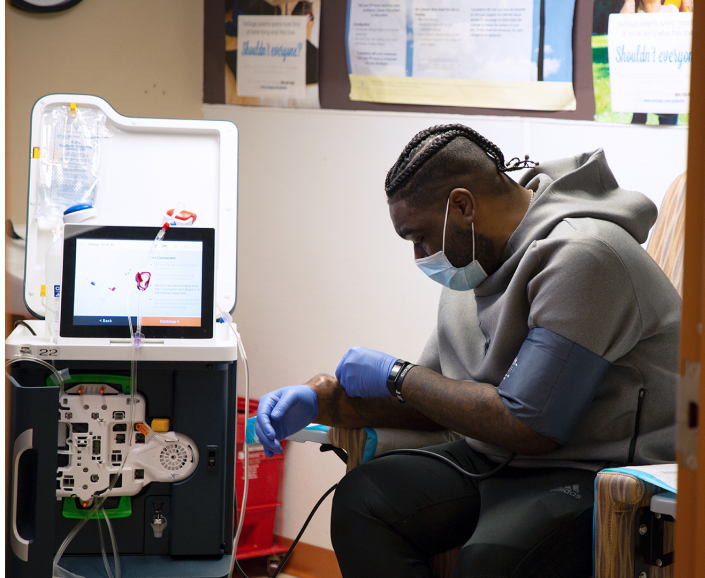
Fatigue with CKD: Why It Happens and What You Can Do
Fatigue is one of the most common and challenging symptoms of advanced chronic kidney disease (CKD), especially for patients in Stage 4, Stage 5, or on dialysis. Studies show that approximately 70% of CKD patients report significant fatigue — so if you’re feeling exhausted, you are far from alone.
The good news: while this exhaustion is real, there are proven ways to improve your energy and daily function.
In this guide, we’ll explain why CKD fatigue happens — and what patients in Fort Worth and the DFW area can do to manage it.
Written by:
Dr. Michael Babigumira, MD, MBChB
Board-Certified Nephrologist | Fort Worth Renal Group
Dr. Babigumira completed his Nephrology Fellowship at the University of Texas Health Science Center at San Antonio following his Internal Medicine Residency at the Icahn School of Medicine at Mount Sinai / Queens Hospital Center.
He earned his Bachelor of Medicine and Bachelor of Surgery (MBChB) degree from Mbarara University of Science and Technology in Uganda and practiced Nephrology in Kansas before joining Fort Worth Renal Group.
Who This Guide Is For
This article is written for patients with:
– Stage 4 or Stage 5 CKD
– Pre-dialysis kidney disease
– Hemodialysis or peritoneal dialysis treatment
You may be experiencing:
– Severe fatigue after dialysis
– Low energy throughout the day
– Poor or non-restorative sleep
– Brain fog or low motivation
– Emotional burnout or “treatment fatigue”
If this sounds familiar, you’re not alone — and there are ways to improve how you feel.
You’re Not Just “Tired” — This Is Different
If you’re living with advanced CKD, you already know this isn’t normal tiredness. It can affect your ability to work or maintain a schedule, stay engaged with family, complete everyday tasks, and feel like yourself. Many patients describe it as constant, heavy exhaustion — especially after dialysis sessions.
This experience is real, common, and medically recognized.
Why Fatigue Is So Common in Advanced CKD
Fatigue in kidney disease isn’t caused by one issue — it’s a combination of factors.
Anemia (Low Red Blood Cells)
As kidney function declines, your body produces less erythropoietin (EPO), a hormone that helps make red blood cells. Iron deficiency is also very common in CKD and can make anemia worse — your doctor may check iron levels and recommend supplements. Together, these problems lead to anemia, meaning less oxygen reaches your muscles and brain, leaving you feeling weak, tired, and mentally drained.
Anemia is one of the most important and addressable causes of CKD fatigue.
Dialysis-Related Fatigue
Hemodialysis can be physically demanding. Many patients experience post-dialysis exhaustion (“dialysis crash”), dizziness or weakness after sessions, and energy dips lasting several hours. Rapid fluid removal during dialysis can also contribute to post-session exhaustion. Even peritoneal dialysis patients may still experience fatigue.
Toxin Buildup and Acid Imbalance
Even with dialysis, some waste products remain in the body. These toxins can affect brain function, muscle strength, and sleep quality. In addition, a condition called metabolic acidosis — where acid builds up in the blood because the kidneys can’t remove it effectively — can contribute to muscle weakness and fatigue. Your doctor can check for this with a simple blood test, and treatment is often straightforward.
Sleep Disorders
Sleep problems are very common in CKD, including restless leg syndrome, sleep apnea, and frequent nighttime waking. Poor sleep directly worsens daytime fatigue.
Depression and Emotional Strain
Depression is more common in CKD patients and often goes untreated. It can cause low energy, lack of motivation, and difficulty concentrating. If this applies to you, it’s important to discuss it with your care team.
What Actually Helps: Practical Strategies That Work
Review and Treat Anemia
Ask your nephrologist:
– What is my current hemoglobin level?
– Are my iron levels adequate?
– Do I need treatment adjustments?
Improving anemia can significantly increase energy levels, though your doctor will balance treatment to keep your blood counts in a safe target range.
Plan Around Your Energy Levels
Dialysis patients often have predictable energy patterns. Try to:
– Rest immediately after dialysis
– Schedule important tasks on higher-energy days
– Track your energy patterns weekly
This helps you work with your body instead of against it.
Add Gentle Movement
Even light activity can improve energy over time. Examples include short walks (10–15 minutes), light stretching, and seated exercises. Some patients even benefit from gentle exercise during their dialysis sessions — ask your care team if this might be an option for you.
Always check with your nephrologist before starting.
Address Sleep Problems
If you’re not sleeping well, fatigue will persist. Talk to your provider about sleep apnea testing, restless leg syndrome, and pain or discomfort at night.
Improving sleep is one of the most effective fatigue strategies.
Check Dialysis Adequacy
Dialysis effectiveness is measured by Kt/V (a measure of how well your dialysis removes waste from your body). If dialysis is inadequate, fatigue often worsens.
Ask:
– Is my Kt/V meeting target levels?
– Do I need adjustments to my treatment plan?
Work With a Renal Dietitian
Poor nutrition can worsen fatigue. A renal dietitian can help ensure adequate protein intake, enough calories, and proper nutrient balance.
Ask your care team for a referral if needed.
Talk About Mental Health
If you feel persistently low, disconnected, or unmotivated — bring it up directly. Mental health treatment can significantly improve energy and quality of life.
Protecting Your Daily Life and Independence
Fatigue doesn’t just affect your body — it impacts your life.
Communicate Clearly
Let family know what you need:
– “I need time to rest after dialysis”
– “I may need help on certain days”
Clear communication reduces frustration.
Consider Workplace Accommodations
You may qualify for flexible schedules, remote work, or modified responsibilities. Your care team can help with documentation if needed.
Accept Help When Needed
Using support for errands, household tasks, and childcare helps preserve your energy for what matters most.
When to Talk to a Nephrologist
If your fatigue is:
– Getting worse
– Affecting daily life
– Not improving with basic changes
It may be time for a care plan review.
You can learn more about chronic kidney disease management in Fort Worth by visiting DFW Renal’s website.
Frequently Asked Questions
Can changing my dialysis schedule help with fatigue?
In some cases, yes. Some patients do better with more frequent or longer sessions, which can reduce the amount of fluid removed at each visit and lower the “crash” effect. Talk to your nephrologist about whether a schedule adjustment might help.
Is fatigue a sign my kidney disease is getting worse?
Not necessarily. Fatigue can be caused by many treatable factors — like anemia, poor sleep, or depression — that don’t mean your kidney function has changed. However, worsening fatigue is always worth discussing with your care team so they can check for any changes.
Should I take supplements for energy?
Do not start any supplements without talking to your nephrologist first. Many over-the-counter supplements can be harmful for people with kidney disease. Your doctor can check whether you have specific deficiencies — like iron or vitamin D — and recommend safe options.
Is exercise safe for dialysis patients?
Yes, in most cases. Light, consistent exercise can improve energy, sleep, and overall health when approved by your doctor.
Where can I find kidney care in Fort Worth?
Patients in Fort Worth and the DFW area can access specialized care through Fort Worth Renal Group. Visit dfwrenal.com to learn more or request an appointment.
Take the Next Step Toward Better Energy
Fatigue in advanced CKD is common — but it is not something you have to ignore or accept without support.
Many of the causes of fatigue are treatable, and small changes can make a meaningful difference in how you feel day to day.
If your energy is limiting your life, it may be time for a personalized care review.
The team at DFW Renal works with patients across Fort Worth and North Texas to identify the root causes of fatigue and build realistic, individualized care plans.
Request an appointment today and take the first step toward better energy and daily function.
Medical Educational Disclaimer
This article is provided for educational and informational purposes only and is not intended as medical advice, diagnosis, or treatment. Health information is general in nature and may not apply to your specific situation.
Always consult your physician, nephrologist, or other qualified healthcare provider regarding any questions you have about a medical condition or before making changes to your healthcare, medications, or lifestyle. Never delay or disregard professional medical advice because of information contained in this article.