Spring in Fort Worth brings a sense of renewal—longer days, fresh food options, and the perfect opportunity to reset your habits.
If you’re living with chronic kidney disease (CKD) or at risk, your diet is one of the most powerful tools you have to influence your health moving forward.
At Fort Worth Renal Group, we believe kidney care goes beyond lab results. It’s about helping you understand how everyday choices—like what’s on your plate—can support your long-term health and confidence.
Why Diet Matters for Kidney Health
Your kidneys filter waste, balance fluids, and regulate essential nutrients in your body. When kidney function changes, your body may process certain nutrients differently.
That’s where nutrition plays a key role.
A kidney-conscious diet can help:
- Reduce strain on your kidneys
- Support healthy blood pressure
- Help manage conditions like diabetes
- Slow the progression of chronic kidney disease
According to organizations like the National Kidney Foundation, nutrition is one of the most important factors in managing kidney disease over time.
This isn’t about strict rules—it’s about understanding your body and making informed, realistic choices.
Quick Answer: What Foods Support Kidney Health?
Kidney-friendly foods are typically lower in sodium, minimally processed, and rich in nutrients like fiber and healthy fats. Common options include fresh fruits, vegetables, lean proteins, and whole foods. The best diet depends on your stage of kidney disease, so personalized guidance is important.
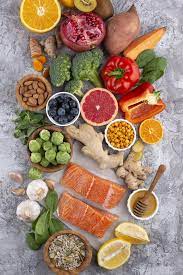
Fresh, kidney-friendly foods that can support your health this spring. Choices like berries, vegetables, and lean proteins are simple starting points for a kidney-conscious diet.
Kidney-Friendly Foods to Add This Spring
Spring is a great time to introduce fresh, nourishing foods into your routine—many of which naturally support kidney health.
Fresh Fruits
- Berries (strawberries, blueberries)
- Apples
- Grapes
These are easy to incorporate into snacks or meals and are widely available across Fort Worth.
Vegetables That Work With Your Body
- Bell peppers
- Cucumbers
- Green beans
- Leafy greens (in moderation)
Fresh vegetables are a simple way to support overall health while aligning with kidney-conscious nutrition.
Lean Protein Sources
- Skinless chicken
- Fish
- Eggs
Protein needs vary depending on kidney function, which is why individualized care matters.
Whole Grains (When Appropriate)
- Rice
- Oats
- Whole grain bread
Some patients may need to adjust portions based on lab values.
Healthy Fats
- Olive oil
- Avocados (in moderation)
- Nuts (portion-controlled)
These support heart health, which is closely connected to kidney health.
Hydration Matters
Staying hydrated helps your body function efficiently—but fluid needs can vary depending on your condition.
Foods to Be Mindful Of
Instead of thinking in terms of “good” and “bad,” it’s more helpful to understand what to monitor.
High-Sodium Foods
- Processed snacks
- Fast food
- Canned soups
Too much sodium can increase blood pressure and strain the kidneys.
Highly Processed Foods
Packaged foods often contain hidden additives that can be harder on your kidneys over time.
Certain Minerals (When Elevated)
Depending on your lab results, you may need to monitor:
- Potassium
- Phosphorus
This varies from person to person—there’s no one-size-fits-all approach.
Simple Ways to “Spring Clean” Your Diet in Fort Worth
You don’t need a complete overhaul to make meaningful progress. Small changes can make a real difference.
Start With Simple Swaps
- Choose fresh foods over packaged options
- Replace salty snacks with fruit or unsalted nuts
- Cook more meals at home
Be Mindful When Dining Out in DFW
- Ask for sauces and dressings on the side
- Choose grilled instead of fried options
- Watch portion sizes
Learn to Read Labels
Look for:
- Sodium content
- Added phosphates
- Ingredient lists
Awareness—not perfection—is the goal.
How Nutrition Fits Into Your Kidney Care Plan
Kidney health isn’t just about avoiding certain foods—it’s about building a plan that works for your life.
At Fort Worth Renal Group, nutrition is part of a bigger picture:
- Understanding your lab results
- Tracking your kidney function
- Aligning your diet with your overall health goals
Because the goal isn’t just managing kidney disease—it’s helping you feel more in control of what happens next.
What This Means for You
If you’re in Fort Worth, Tarrant County, or the greater DFW area, here’s how to take the next step:
- Start with one or two small dietary changes this week
- Pay attention to how your body responds
- Ask about kidney screening or nutrition guidance
- Seek care early if you have risk factors like diabetes or high blood pressure
You don’t have to figure this out alone—and you don’t have to be perfect to make progress.
Frequently Asked Questions
What is the best diet for kidney disease?
There’s no single diet for everyone. It depends on your stage of CKD, lab results, and overall health.
Can I still eat fruits and vegetables with CKD?
Yes. Many fruits and vegetables are part of a kidney-conscious diet, but portions and choices may vary.
Do I need to avoid protein?
Not necessarily. Protein is important, but the amount and type should be balanced.
Is drinking more water always better?
Not always. Fluid needs depend on your individual condition.
When should I talk to a kidney specialist?
If you have diabetes, high blood pressure, or abnormal lab results, early evaluation can make a meaningful difference.
Medical & Educational Disclaimer
This article is provided for educational and informational purposes only and is not intended as medical advice, diagnosis, or treatment. Health information is general in nature and may not apply to your specific situation.
Always consult your physician, nephrologist, or other qualified healthcare provider regarding any questions you have about a medical condition or before making changes to your healthcare, medications, or lifestyle. Never delay or disregard professional medical advice because of information contained in this article.